

High cholesterol is one of the most common health concerns worldwide and a major risk factor for the development of cardiovascular diseases. Fortunately, before resorting to medication, there are very effective strategies to lower cholesterol naturally.
By adopting changes in lifestyle, diet, and physical activity, you can significantly improve your lipid profile and protect your heart health. This comprehensive guide offers a detailed and rigorous plan for lowering cholesterol naturally.
Complete Guide on How to Lower Cholesterol Naturally
1. Diet: Your Main Ally in Reducing Cholesterol
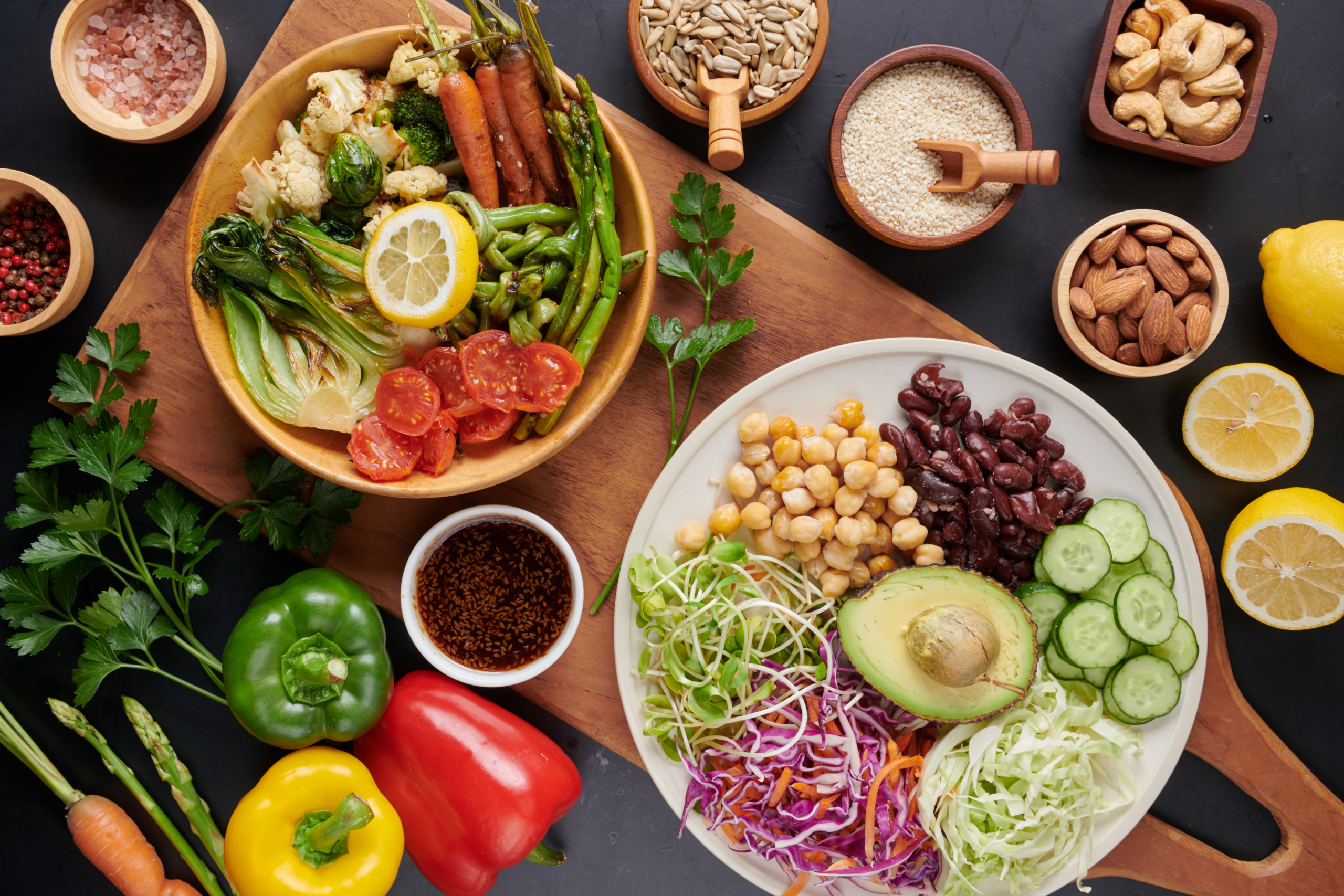
Diet plays a fundamental role in controlling cholesterol. It’s not about eliminating all fats, but about distinguishing between healthy and harmful ones, and incorporating foods that actively work to reduce LDL cholesterol (“bad”) and increase HDL (“good”). If you’re wondering how to lower cholesterol naturally, the answer begins with what you put on your plate.
Foods Rich in Soluble Fiber
Soluble fiber is a superstar in the fight against cholesterol. It works by creating a gel-like substance in the intestines that binds to cholesterol and prevents it from being absorbed into the bloodstream, facilitating its elimination. This is one of the simplest ways to lower cholesterol naturally.
- Oats and oat bran: These are the basis for a heart-healthy breakfast. A daily bowl of oatmeal can reduce total cholesterol by up to 5% thanks to its beta-glucan content.
- Legumes: Lentils, chickpeas, beans, and peas are excellent sources of soluble fiber. Including them in your meals several times a week is a very effective strategy for reducing cholesterol.
- Fruits and vegetables: Apples, pears, strawberries, grapes, broccoli, Brussels sprouts, and carrots are rich in fiber and antioxidants that protect your cardiovascular health. Eating these fruits with the skin on whenever possible maximizes fiber intake.
- Barley: This often-overlooked cereal contains beta-glucan, a type of fiber that has been shown to be very effective at lowering LDL cholesterol.
Heart-Healthy Fats
Contrary to popular belief, not all fats are bad. Unsaturated fats, especially monounsaturated and polyunsaturated fats, are essential for heart health and can help increase HDL cholesterol. It’s crucial to know how to replace harmful fats to lower cholesterol naturally.
- Extra virgin olive oil: This is the gem of the Mediterranean diet. Replacing saturated fats with olive oil in your meals can drastically decrease cholesterol levels.
- Nuts and seeds: A handful of walnuts, almonds, chia seeds, or flax seeds a day is an excellent habit. They are rich in omega-3s, fiber, and antioxidants.
- Avocado: This superfood is full of monounsaturated fats and fiber, making it a perfect ally for your heart.
- Fatty fish: Salmon, mackerel, and sardines are rich in omega-3 fatty acids, which reduce triglycerides and can have a protective effect on blood vessels, helping to lower cholesterol.
2. Foods to Avoid or Moderate to Combat High Cholesterol
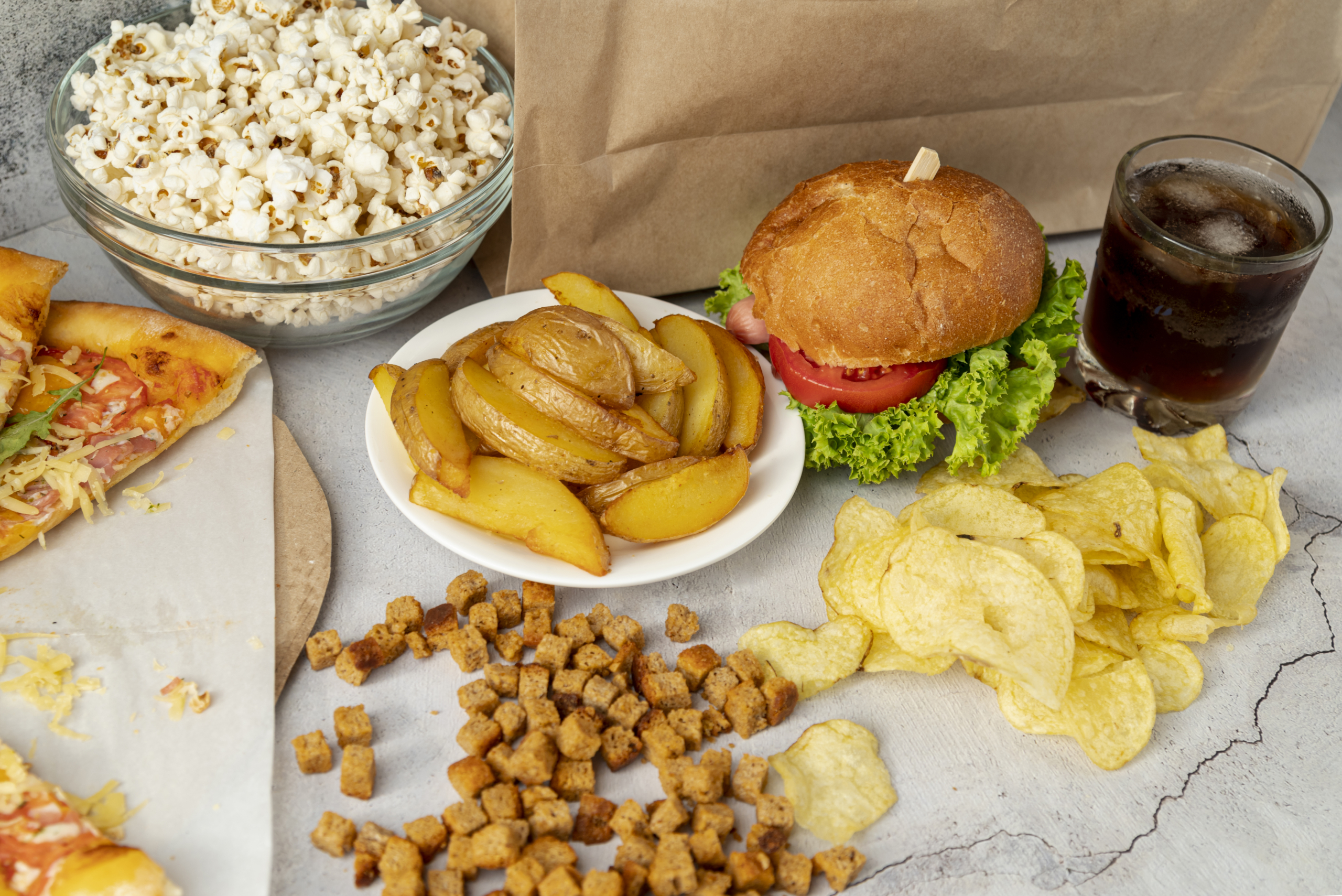
While adding beneficial foods is important, it’s equally crucial to know which foods contribute to increased LDL cholesterol. The answer to how to lower cholesterol naturally also involves moderation.
- Saturated and trans fats: These fats are the main culprits behind increased cholesterol. They are found in fatty meats, full-fat dairy products, butter, and most processed and fried foods. Reducing their consumption is the first step to lowering cholesterol naturally.
- Foods high in dietary cholesterol: Foods like shellfish (shrimp and lobster), liver, and egg yolks should be consumed in moderation, as they contain cholesterol that can influence your blood levels, especially if you already have high cholesterol.
- Excessive sugar and refined carbohydrates: Excessive consumption of sugars and white flours can increase triglycerides, which often go hand in hand with high cholesterol.
- Alcohol: Excessive alcohol consumption can raise triglyceride levels and blood pressure. Moderation is key if you’re looking to lower cholesterol.
3. Physical Exercise: A Key Piece to Reducing Cholesterol

A sedentary lifestyle is one of the greatest enemies of cardiovascular health. Regular exercise is one of the most powerful tools for improving cholesterol naturally. Physical activity not only helps with weight loss but also has a direct and positive impact on fat metabolism.
- Aerobic exercise: Brisk walking, running, swimming, or cycling for at least 30 minutes a day, five days a week, can significantly increase HDL cholesterol. This is an effective and accessible way to lower cholesterol naturally.
- Strength training: Lifting weights or using resistance bands twice a week helps burn fat and improves body composition, which positively influences fat metabolism.
- Consistency: The secret to success is not intensity, but regularity. Making physical activity a daily habit is what really makes a difference in the long term for lowering cholesterol.
4. Other Important Lifestyle Factors for Lowering Cholesterol
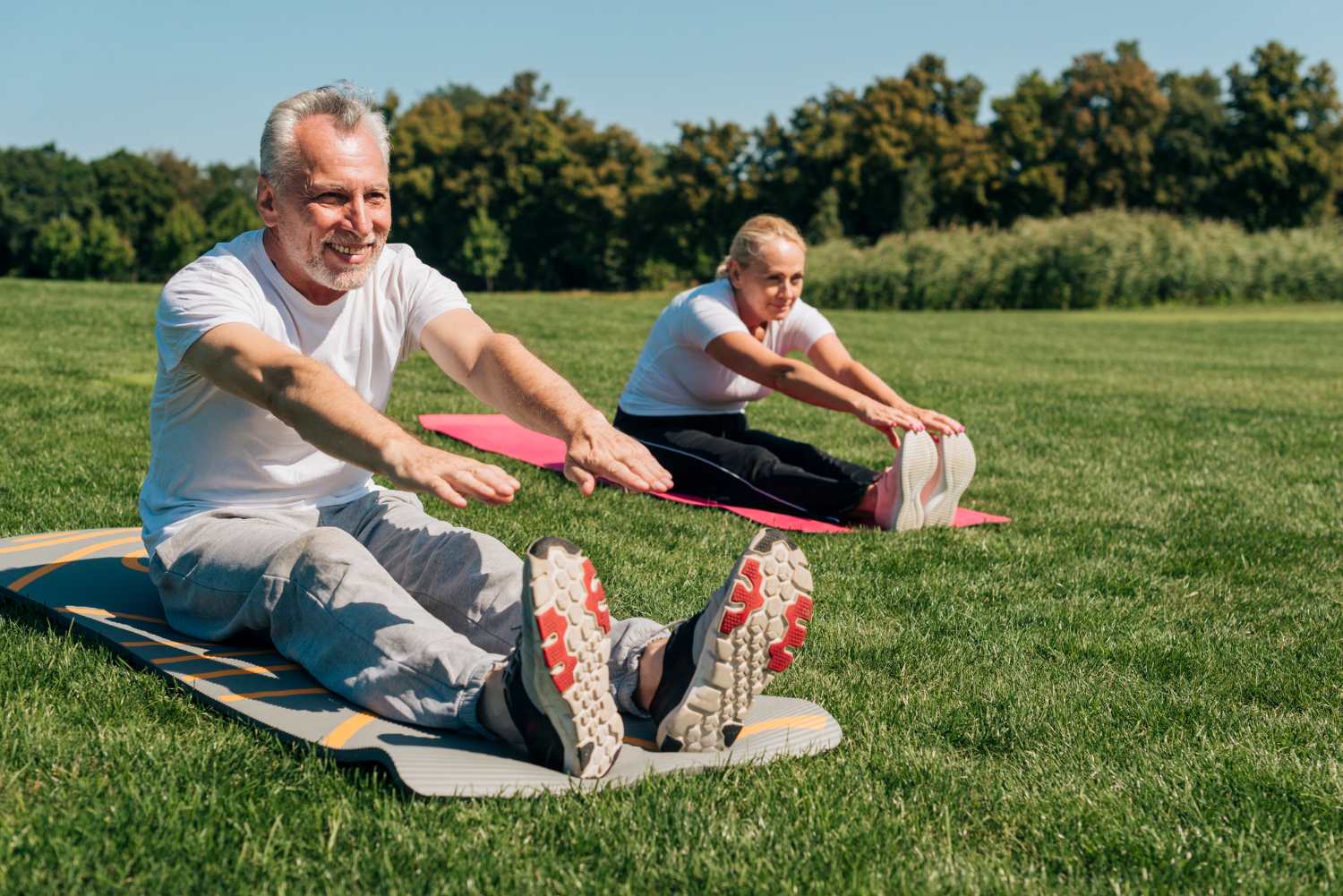
Cholesterol isn’t just about diet and exercise. Other healthy habits have a direct impact on your levels, so a comprehensive strategy is the best answer to the question of how to lower cholesterol naturally.
- Weight management: Losing just 5-10% of your body weight if you are overweight or obese can significantly reduce total and LDL cholesterol levels.
- Quitting smoking: Smoking damages the walls of blood vessels and reduces HDL cholesterol. Quitting this habit is one of the best decisions you can make for your health.
- Stress management: Chronic stress can raise hormones that influence cholesterol. Practices like meditation, yoga, or deep breathing can be very beneficial.
- Getting enough sleep: Lack of sleep has been associated with higher cholesterol levels and an increased risk of cardiovascular diseases. Aim to get 7 to 8 hours of sleep per night.
5. Supplements and Natural Products of Interest for Combating Cholesterol
While diet and exercise are the pillars, some supplements can offer additional support in your goal of lowering cholesterol naturally.
- Plant stanols and sterols: These compounds, naturally present in plants, fruits, and vegetables, prevent the absorption of cholesterol in the intestine. They are available in fortified products like yogurts or margarines.
- Psyllium: This type of soluble fiber, derived from the seeds of Plantago ovata, is very effective at lowering cholesterol by binding to it in the digestive tract.
- Red yeast rice: It contains monacolin K, a substance with a chemical structure identical to lovastatin, a drug used to lower cholesterol. However, its use should be supervised by a professional, as it can have side effects.
- Omega-3 fatty acids: Although we have already mentioned fatty fish, fish oil supplements can be an alternative if you don’t eat enough fish. They help to reduce cholesterol and triglycerides.
6. The Importance of Medical Evaluation and Follow-up

Although this guide offers you effective tools for lowering cholesterol naturally, it is fundamental to remember that these tips do not replace a consultation with a doctor. Professional supervision is key to:
- Confirming the diagnosis of high cholesterol: A blood test is the only way to know your exact levels of LDL, HDL, and triglycerides.
- Ruling out other causes: High cholesterol can be a symptom of other underlying diseases.
- Personalizing the plan: A healthcare professional can design a plan tailored to your specific needs, considering your medical history and other risk factors.
- Follow-up: It is important to have periodic tests to monitor progress and adjust the plan if necessary.
The Case of Familial Cholesterol
It is important to note that in some cases, high cholesterol can be of genetic origin (familial hypercholesterolemia). In these cases, lifestyle changes are important, but may not be sufficient, and medication is often necessary to control levels and avoid complications. This is why a medical diagnosis and supervision are irreplaceable.
7. Frequently Asked Questions About How to Lower Cholesterol
To complement this guide, we address some of the most common questions related to the topic, helping to resolve doubts and reinforce knowledge about how to lower cholesterol naturally.
What is cholesterol and why is it important to control it?
Cholesterol is a waxy, fat-like substance that the body needs to function. However, an excess of LDL cholesterol can build up in the arteries, forming plaques that hinder blood flow, which can lead to a heart attack or stroke.
How long does it take to lower cholesterol with lifestyle changes?
Results can vary, but with a proper diet and regular exercise, improvements can be seen in just a few weeks. The most significant effects are usually noticed after three to six months of consistent commitment.
Can I eat eggs if I have high cholesterol?
Yes, but in moderation. Eggs have long been demonized for their high cholesterol content, but current evidence suggests that dietary cholesterol has a minor impact on blood levels for most people, compared to saturated and trans fats. The ideal is to limit consumption and not exceed one or two eggs a day.
Does stress really affect cholesterol?
Yes, indirectly. Chronic stress increases the production of cortisol, a hormone that can raise cholesterol and triglyceride levels. Additionally, stress often leads to unhealthy habits such as overeating, smoking, or drinking more alcohol, which exacerbates the problem.
Are there home remedies to lower cholesterol?
More than home remedies, there are foods that have beneficial properties for lowering cholesterol. Incorporating garlic, ginger, turmeric, green tea, and fermented foods like probiotic yogurt into your diet can offer additional support. However, they should not replace a balanced diet and a healthy lifestyle.
To discover more guides on nutrition and well-being, visit our Health category.
Healthy Weekly Menu for Cholesterol Control
A Monday-to-Sunday meal plan, designed with meals rich in fiber and healthy fats that will help you lower cholesterol naturally. This menu is varied, delicious, and easy to follow, with options for every day of the week.
Monday
- Breakfast: Oatmeal with red berries and a handful of walnuts.
- Lunch: Grilled chicken breast with quinoa and a spinach, tomato, and cucumber salad.
- Dinner: Zucchini cream soup with a drizzle of olive oil and a hard-boiled egg.
Tuesday
- Breakfast: Whole-wheat toast with avocado and chia seeds.
- Lunch: Baked salmon with asparagus and boiled potato.
- Dinner: Chickpea salad with bell peppers, onion, and a lemon dressing.
Wednesday
- Breakfast: Natural yogurt with homemade granola and apple chunks.
- Lunch: Braised lentils with vegetables (carrot, leek, onion).
- Dinner: Mushroom omelet with a green salad.
Thursday
- Breakfast: Smoothie with banana, spinach, and almond milk.
- Lunch: Sautéed tofu with broccoli, bell peppers, and low-sodium soy sauce.
- Dinner: Chicken soup with whole-wheat noodles.
Friday
- Breakfast: Oatmeal with banana slices and cinnamon.
- Lunch: Whole-wheat pasta salad with tuna, olives, and corn.
- Dinner: Homemade pizza with a cauliflower crust, fresh tomato, and mozzarella.
Saturday
- Breakfast: Scrambled eggs with a slice of whole-wheat toast.
- Lunch: Vegetable curry with basmati rice.
- Dinner: Beef and vegetable skewers (onion, bell pepper, zucchini).
Sunday
- Breakfast: Oat pancakes with wild berries.
- Lunch: Roasted chicken with sweet potato and steamed green beans.
- Dinner: Hummus with cucumber and carrot sticks.
An Approach for Your Heart Health
Lowering cholesterol naturally is an achievable goal that requires a holistic approach. By combining a diet rich in fiber and healthy fats with regular exercise, a healthy weight, and stress management, you can take control of your cardiovascular health and drastically reduce the risks associated with high cholesterol.
*Always remember to consult with a healthcare professional for an accurate diagnosis and a personalized action plan. Your commitment to these habits is the best investment for a long and healthy life.