

There is something magical about short stories for children. Not only because they awaken the imagination, but because they invite children to discover the world through a kinder and more curious lens. Each tale, no matter how small it may seem, opens a door to worlds where animals talk, dreams come to life, and decisions have consequences. And that, without a doubt, leaves a mark on the hearts and minds of those who listen.
Short children’s stories for kids are not just entertainment; they are an educational and emotional tool. Through them, little ones learn to recognize emotions, understand values, and reflect on what is right or wrong. Pinocchio teaches us the importance of sincerity, while the story of The Ant and the Grasshopper speaks of effort and responsibility. And although the morals may change, the message is always the same because every story has something to teach.
Reading stories with children is a wonderful way to strengthen bonds. Sitting together, listening, imagining… that intimate moment becomes an unforgettable memory. Furthermore, reading aloud to them fosters their vocabulary, improves their attention, and awakens their love for books from an early age. It’s not just about reading, but about living the story together with them.
How to choose the best short children’s stories according to age
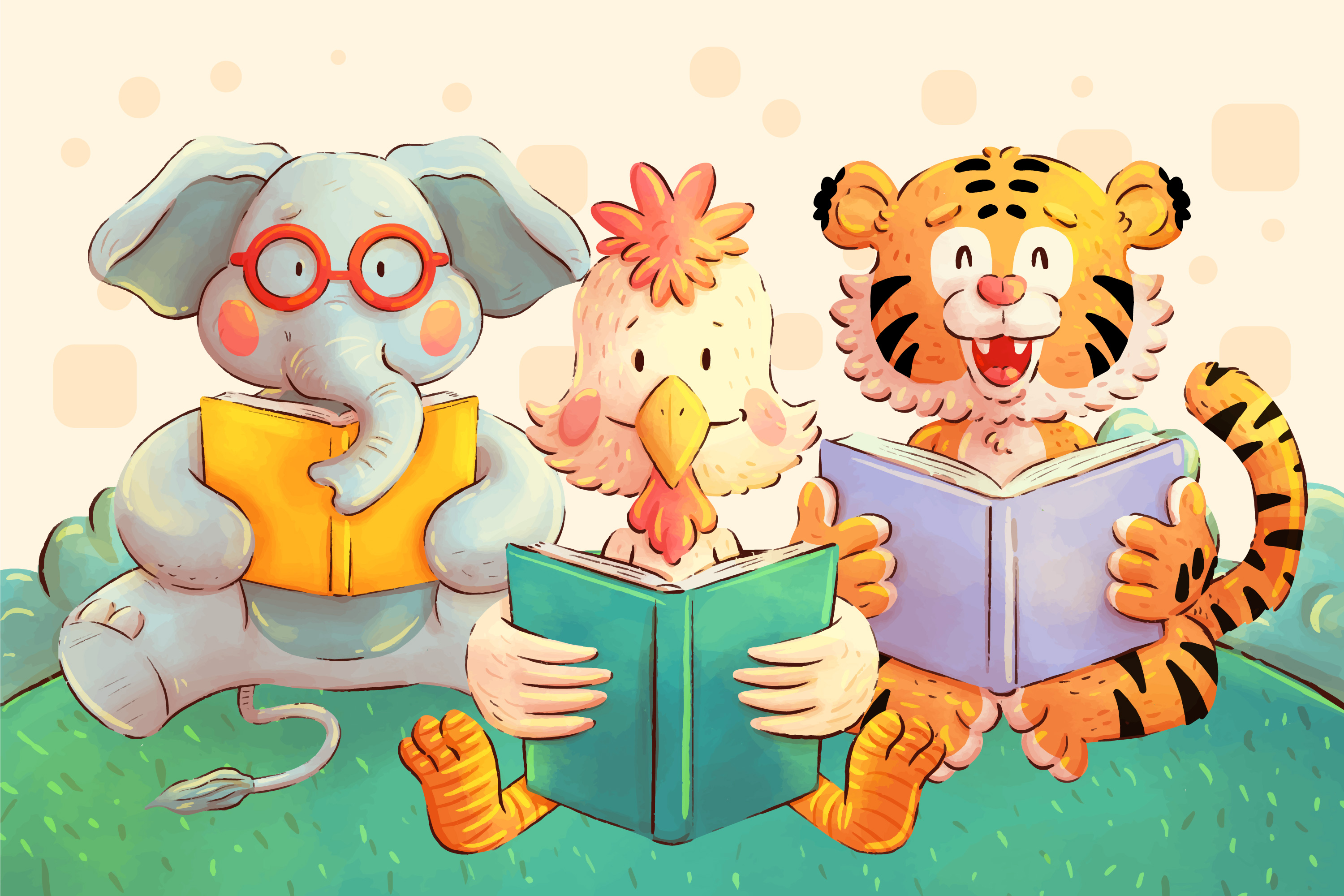
Knowing how to choose the best short children’s stories for both boys and girls is one of the keys to getting children to enjoy reading. Short children’s stories are perfect for the early years, as they offer brief stories, with simple plots and clear language. For the youngest ones, narratives with animals or characters with easily recognizable emotions are the most effective. They help them understand the world and identify what they are feeling.
When children get a little older, around 5 or 6 years old, they are ready for stories with a bit more complexity. This is where short children’s stories for kids that include challenges, adventures, or moral dilemmas come in. Stories like The Hare and the Tortoise or The Three Little Pigs are ideal because they simply show how effort, patience, and cleverness bring rewards.
As they advance in their reading, the stories can incorporate more abstract values: friendship, empathy, courage, or forgiveness. The Little Prince, for example, is a story that children enjoy for its fantasy, but adults remember it for its depth. That is the magic of good stories: they grow along with the person who reads them.
Table of the best short children’s stories:
| Story Title | Recommendation | Ideal Age | Link to the Story |
|---|---|---|---|
| The Story of the Milkmaid | Teaches the importance of not getting ahead of results and valuing work step by step. | 6 to 8 years | Read story |
| The Fox and the Grapes | Ideal for explaining how we sometimes justify what we cannot get; promotes emotional honesty. | 5 to 7 years | Read story |
| The Story of Pinocchio | A classic about sincerity and the consequences of lying. Encourages conversations about responsibility. | 6 to 9 years | Read story |
| The Story of Little Red Riding Hood | Perfect for talking about prudence, obedience, and personal care. | 4 to 6 years | Read story |
| The Hen with the Golden Eggs | Teaches to value what one has and not get carried away by greed. | 6 to 8 years | Read story |
| The Story of the Hare and the Tortoise | Conveys the importance of consistency and patience over speed and arrogance. | 4 to 7 years | Read story |
| The Story of the Pied Piper of Hamelin | Encourages reflection on gratitude and keeping promises. | 7 to 10 years | Read story |
| The Ugly Duckling | Ideal for working on self-esteem, empathy, and accepting differences. | 5 to 8 years | Read story |
| The Story of the Red Car | A modern story that motivates children to take care of their belongings and value effort. | 5 to 7 years | Read story |
| Cinderella | Promotes kindness, perseverance, and hope in happy endings. | 5 to 8 years | Read story |
| “It Rained Gold” Story | A fable about the reward that comes to those who act with kindness and generosity. | 6 to 9 years | Read story |
| The Story of Peter and the Wolf | Warns about lies and how they can make others lose trust in us. | 6 to 8 years | Read story |
| Beauty and the Beast | Conveys values of empathy and true love beyond appearances. | 6 to 9 years | Read story |
| The Princess and the Pea | A fun story about sensitivity and authenticity. | 5 to 7 years | Read story |
| Tom Thumb | Shows intelligence, bravery, and cleverness as tools to overcome difficulties. | 6 to 9 years | Read story |
| The Ant and the Grasshopper | Teaches the value of work, foresight, and responsibility over laziness. | 4 to 7 years | Read story |
| The Story of the 3 Little Pigs | Perfect for teaching planning, effort, and teamwork. | 4 to 6 years | Read story |
| Snow White and the Seven Dwarfs | Promotes kindness, friendship, and the value of truth over envy. | 5 to 8 years | Read story |
| The Little Prince | A timeless work that invites reflection on friendship, love, and seeing with the heart. | 8 to 12 years | Read story |
How short children’s stories develop their imagination and values
The power of childhood imagination is infinite, and short children’s stories are the perfect food to nourish it. Through each story, children learn to think symbolically, to interpret situations, and to put themselves in other characters’ shoes. Suddenly, a frog can be a prince, a girl can save her grandmother from the wolf, or a hen can teach the importance of gratitude.
Short children’s stories for kids also act as a guide for values. The timeless stories—Little Red Riding Hood, The Three Little Pigs, or The Ugly Duckling—remain relevant because they pose simple moral dilemmas that little ones can easily understand. They learn that telling the truth, sharing, or helping others brings good consequences. It is the most natural and effective way to teach ethics without imposing rules.
And not only that, stories help turn them into better people and stimulate reading comprehension. Each story has a structure with a beginning, development, and end, which helps children recognize narrative patterns and anticipate what might happen. That skill, without them realizing it, strengthens their logical and critical thinking. When they finish a story, they often ask, “Why did that happen?” or “What if the character had done something else?”. That is where the real learning begins.
Short children’s stories that charm and teach
In our space, you will find a wide collection of short children’s stories that have been adapted for boys and girls of all ages. Each one retains its original essence but is presented in a kind and educational way.
From classics like Snow White or Beauty and the Beast, to more symbolic tales like The Milkmaid, each story offers a unique lesson. Some invite reflection on honesty, others on perseverance or empathy, but they all have something in common: they transmit positive values without losing the magic of the narrative.
You can also enjoy video versions, ideal for reinforcing the reading habit and awakening the interest of the youngest children. Listening to a narrating voice, watching the scenes come to life, and sharing the moment as a family turns reading into an even more fun experience.
Children’s reading as an emotional bridge
We sometimes forget that stories are not only tools for teaching, but also a way to connect. Children who listen to or read stories develop a special sensitivity towards others. They begin to understand complex emotions, such as sadness, fear, or hope. A story as simple as The Ugly Duckling can help a child feel understood if they have ever felt different.
Short children’s stories for kids function as an emotional mirror. They allow them to see themselves reflected in brave, curious, or dreamy characters, and at the same time, understand that mistakes are part of learning. Not all endings are perfect, and that’s okay, because each story leaves a different lesson.
And while the short format is ideal for holding their attention, it doesn’t mean they are small stories in content. A tale of just a few lines can change the way a child sees the world. That is the greatness of well-told words.
Stories that teach values and awaken emotions
Each of the short children’s stories we offer transmits a positive lesson without losing the magic. Little Red Riding Hood reminds us of the importance of prudence; Pinocchio teaches sincerity; The Milkmaid talks about the value of effort; and The Ant and the Grasshopper shows how responsibility and foresight help face challenges.
Short stories for children are little lessons disguised as adventures. When a character makes a mistake, the child understands, without needing a sermon, why certain decisions have consequences. It is an emotional learning that sticks because they experience it through empathy.
Stories also reinforce a sense of justice. Children feel satisfaction when the good guys win or when someone learns from their mistakes. It is a natural way to introduce ethical notions and foster critical thinking. It is not about teaching them what to think, but about accompanying them to discover it through the narrative.
Daily reading as a family habit
Incorporating short children’s stories for kids into the family routine does not require much time. A few minutes before bed or a calm moment during the day is enough. What is important is the consistency and the emotion with which it is read. When a child sees their mother, father, or grandparents enjoy reading, they also associate it with something positive.
Furthermore, stories shouldn’t just stay in books. Listening to a story narrated aloud, accompanied by music or images, stimulates attention and imagination. That’s why video versions of classic tales like Snow White, The Ugly Duckling, or Beauty and the Beast are wonderful resources for bringing literature to the youngest ones in a modern and attractive way.
A shared story is a seed for the love of reading. Many adults who are passionate about books today started with a simple bedtime story. The magic began there, in a familiar voice and a story that made them dream.
Classic stories that never go out of style
There are stories that have accompanied generations and remain as alive as the first day. No matter how many years pass, Cinderella, The Pied Piper of Hamelin, or Tom Thumb continue to charm children and adults. They are universal tales that combine fantasy, humor, and life lessons.
Short children’s stories endure because they appeal to common emotions that a child tends to have, like fear, hope, curiosity, or love. And although modern versions adapt them to current values, their essence remains intact. A happy ending, a simple lesson, and a message of kindness always find their place in a child’s mind.
By reading or watching these stories on video, children not only have fun, but they also learn about culture, language, and tradition. Each story is a window to the past that still has much to say in the present.
Fostering imagination through stories
Imagination is a powerful tool. Thanks to short children’s stories for kids, little ones learn to create their own worlds, solve problems, and think originally. When a child imagines, they are practicing a form of intelligence that will stay with them for life.
Furthermore, stories are an excellent resource for working on empathy. By putting themselves in the characters’ shoes, children understand that everyone feels fear, joy, or sadness. This emotional exercise teaches them to be more sensitive and tolerant.
Therefore, short children’s stories are more than entertainment. They are a way to build more creative, thoughtful, and humane people. Reading with them is not just telling a story; it is helping them understand the world through the magic of words.
The stories that leave a mark
Behind each story, there is a spark of wisdom, teaching not to give up, others to tell the truth, or to value what we have. The important thing is that children find in these little stories something more than fun and a reason to think, feel, and grow.
Short children’s stories for kids are, without a doubt, a bridge between imagination and reality. An invitation to look at the world with wonder, to discover that each tale holds a message, and to understand that dreaming is also a way of learning.
So open the book, turn on the video, or simply start narrating. Because as long as there is a child willing to listen, there will always be a story to tell.